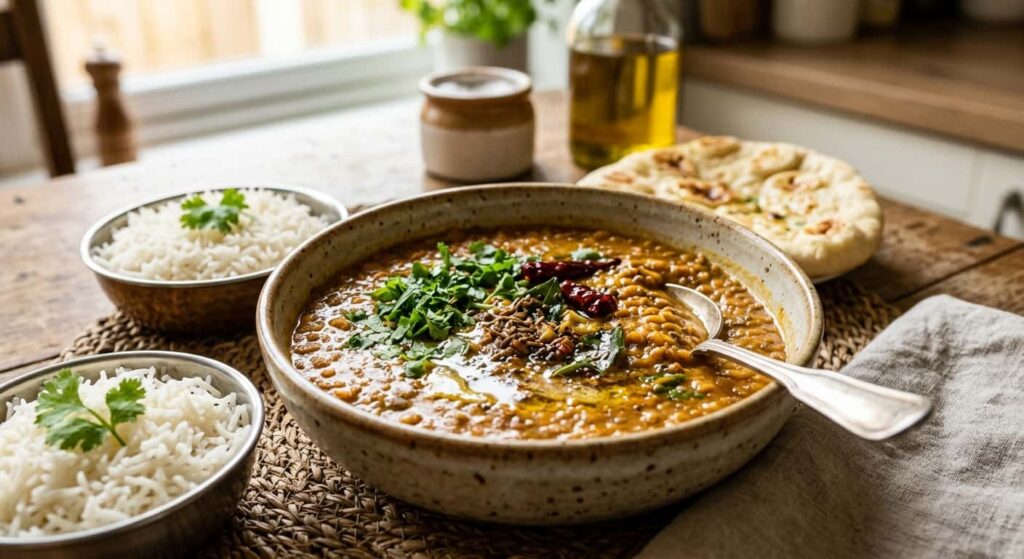

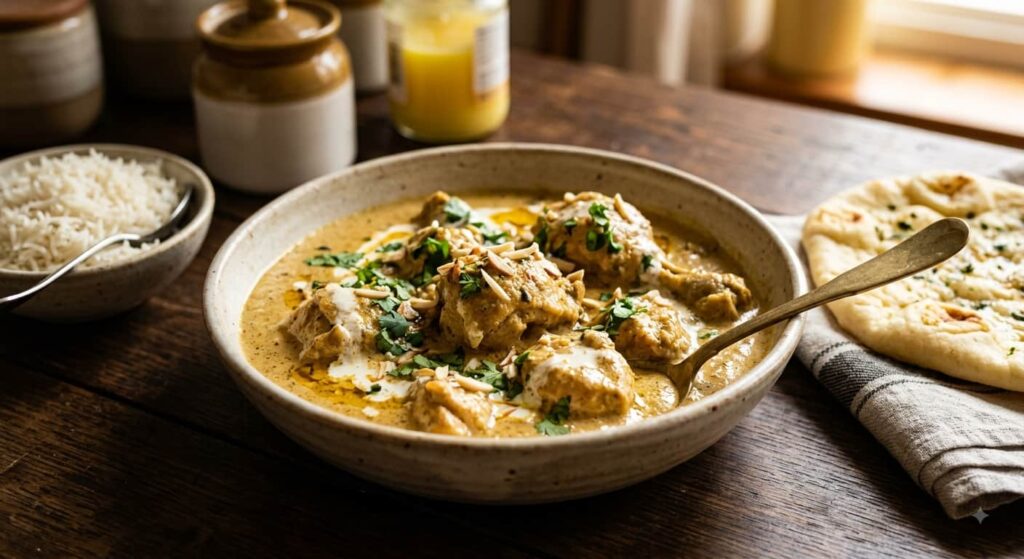
If there’s one dish that shows up on almost every Indian dining table, it’s dal. Some days it’s a thin, comforting moong dal with a bowl of rice. Other days it’s a rich dal makhani that tastes like it came straight out of a restaurant kitchen. That’s the beauty of dal recipes -one humble ingredient, endless possibilities.
In this guide, we’re covering 85 dal recipes that range from quick weeknight fixes to slow-cooked, restaurant-style favorites. Whether you’re looking for homestyle Indian lentil recipes your grandmother used to make, or easy Indian lentil recipes you can whip up in 20 minutes after a long day, you’ll find something here worth cooking tonight.
We’ll also walk you through a foolproof master dal recipe, the different types of dal and how to pick the right one, common mistakes people make while cooking dal, and answers to the questions we get asked the most. Let’s get into it.
What Is Dal, Exactly?
Table of Contents
Dal refers to two things at once -the dried, split lentils, peas, and beans used in Indian cooking, and the cooked lentil dish made from them. So when someone says “make some dal,” they mean cook the lentils into a soft, spiced, soupy or thick curry, usually finished with a tempering of ghee, cumin, and garlic.
It’s naturally vegetarian, high in plant protein and fiber, gluten-free, and budget-friendly. That’s exactly why dal recipes are such a big part of everyday Indian cooking -they’re nourishing, filling, and endlessly adaptable to whatever vegetables or spices you have on hand.
Types of Dal You Should Know
Not all dal is the same, and using the right one makes a real difference to how your dish turns out. Here’s a quick cheat sheet of the lentils you’ll see most often in Indian lentil dishes.
| Dal Type | Also Known As | Color/Texture | Approx. Cook Time (soaked) |
| Toor dal | Arhar dal, split pigeon peas | Pale yellow, turns creamy | 15-20 mins (pressure cooker) |
| Moong dal (split, yellow) | Yellow lentils | Cooks fast, mild flavor | 10-15 mins |
| Masoor dal | Red lentils | Cooks down to soft, golden | 10-12 mins |
| Chana dal | Split Bengal gram | Holds its shape, nutty | 15-20 mins |
| Urad dal (whole, black) | Kali dal | Creamy, rich, used in dal makhani | 30-40 mins (best soaked overnight) |
| Rajma & chole | Kidney beans, chickpeas | Firm, hearty | 25-35 mins (soaked) |
| Moong dal (whole, green) | Green gram | Earthy, slightly firm | 15-20 mins |
Quick tip: When a recipe doesn’t specify soaking, a 20-30 minute soak still helps most dals cook faster and more evenly, even the quick-cooking ones like moong and masoor.
Master Recipe: Simple Dal Tadka (Start Here If You’re New)
This is the one dal recipe every beginner should learn first. Once you get comfortable with it, you can tweak the spices, swap the lentils, or add vegetables to make dozens of variations.
Prep time: 10 minutes (plus 20 minutes soaking, optional) Cook time: 25 minutes Total time: 35-45 minutes Serves: 4
Ingredients
For the dal:
- 1 cup toor dal (or a mix of ½ cup toor dal + ½ cup moong dal)
- 3 cups water (for pressure cooking)
- ½ tsp turmeric powder
- 1 small tomato, chopped
- Salt to taste
For the tempering (tadka):
- 2 tbsp ghee or oil
- 1 tsp cumin seeds
- 1 pinch asafoetida (hing)
- 4-5 garlic cloves, thinly sliced
- 1 dried red chili
- 1 small onion, finely chopped
- 1 green chili, slit
- ½ tsp red chili powder
- ¼ cup chopped coriander leaves
- Juice of ½ lemon (optional)
Step-by-Step Method
- Rinse and soak. Wash the dal 2-3 times under running water until it runs mostly clear. Soak it in water for 20-30 minutes if you have time -it’s not compulsory, but it does help the dal cook softer and faster.
- Pressure cook the dal. Add the soaked dal, 3 cups water, turmeric, chopped tomato, and a little salt to a pressure cooker. Cook for 3-4 whistles on medium heat, or about 10 minutes in an Instant Pot on manual/high pressure with natural release. No cooker? Simmer in a covered pot for 30-35 minutes, stirring occasionally, until soft and mushy.
- Mash it lightly. Once the pressure releases, open the lid and mash the dal a bit with a whisk or the back of a ladle. This gives it that classic creamy, slightly thick texture instead of watery lentils floating in broth.
- Make the tempering. Heat ghee in a small pan. Add cumin seeds and let them sizzle for a few seconds. Add hing, garlic, and the dried red chili -sauté until the garlic turns light golden (don’t let it burn, it turns bitter fast).
- Add onions and spices. Toss in the chopped onion and green chili, and cook until the onion softens and turns light brown. Stir in the red chili powder off the heat so it doesn’t scorch.
- Combine. Pour the hot tempering straight into the pot of cooked dal. You’ll hear a satisfying sizzle -that’s exactly what you want. Stir it in, adjust salt, and add a splash of water if the dal is thicker than you’d like.
- Finish and serve. Simmer everything together for 2-3 minutes so the flavors combine. Squeeze in lemon juice if using, top with fresh coriander, and serve hot.
Tips for the Best Dal Tadka
- Always add the tempering to the dal, not the other way around -this keeps the tadka’s aroma from getting lost in the pot.
- A little tomato adds tang, but too much will make the dal taste sour. One medium tomato per cup of dal is a good rule of thumb.
- If your dal turns out too thick after cooling, just add hot water and simmer for a minute rather than cold water, which dulls the flavor.
- Ghee gives the most authentic, restaurant-style flavor, but you can use oil for a lighter, everyday version.
Common Mistakes to Avoid
- Skipping the rinse: Unwashed dal can taste starchy and cook unevenly.
- Burning the garlic in tempering: This turns bitter and ruins the whole pot. Keep the flame medium and watch closely.
- Adding salt too early with acidic ingredients: Adding tomatoes and salt together before the dal softens can sometimes slow down cooking. Add salt generously only once the dal is nearly done.
- Over-spicing: Dal is meant to taste comforting, not overpowering. Start with less and adjust at the end.
Easy Variations
- Dal Fry: Same base, but sauté onions and tomatoes first, then add the cooked dal, instead of tempering at the end.
- Restaurant-style Dal Tadka: Finish with a spoon of cream and extra ghee for that dhaba-style richness.
- No-onion, no-garlic version: Skip onion and garlic, temper with just cumin, hing, and curry leaves -common in satvik cooking.
- Spinach or methi dal: Stir in a cup of chopped spinach or fenugreek leaves while the dal simmers.
Storage Instructions
Dal keeps well in the fridge for 3-4 days in an airtight container. It also freezes nicely for up to 2 months -just leave out the fresh coriander and lemon juice before freezing, and add them fresh after reheating. To reheat, add a splash of water and warm it on the stove or in the microwave, stirring occasionally so it heats evenly.
85 Best Dal Recipes, Organized by Category
Now that you’ve got the basics down, here’s the full list -sorted so you can find exactly the kind of dal you’re in the mood for.
Restaurant-Style Indian Recipes (Rich, Indulgent Dals)
- Dal Makhani – slow-cooked black urad dal and rajma in a buttery tomato gravy
- Dal Bukhara – the original Bukhara-style overnight-simmered black dal
- Punjabi Dal Tadka with cream
- Dal Fry Restaurant Style
- Dhaba-Style Dal
- Yellow Dal Tadka with extra butter
- Amritsari Dal
- Dal Makhani in Butter Gravy
- Creamy Moong Masoor Dal
- Restaurant-Style Chana Dal
- Kali Dal (Black Gram Dal)
- Tadka Dal with Fried Onions
- Dal Makhani, Instant Pot Version
- Smoked Dal (Dhungar-style, with charcoal smoke)
- Paneer Dal (dal cooked with cubes of paneer)
Homestyle Indian Lentil Recipes (Everyday Comfort Food)
- Simple Toor Dal
- Moong Dal Tadka
- Masoor Dal
- Everyday Chana Dal
- Mixed Dal (Panchmel Dal)
- Dal Palak (Spinach Dal)
- Dal with Bottle Gourd (Lauki Dal)
- Tomato Dal
- Curry Leaf Dal
- Kachi Ghani Dal (light, home-style tempering)
- Ma Ki Dal (Punjabi home-style urad dal)
- Everyday Moong Dal Soup
- Simple Masoor Dal with Garlic
- Dal with Onion and Tomato
- Amma’s Dal (South Indian style everyday dal)
- Weeknight Yellow Dal
- Dal with Ghee Tadka
- Coconut Dal (South Indian style)
- Dal with Curry Leaves and Mustard Seeds
- Comfort Bowl Dal Rice
Easy Indian Lentil Recipes (20 Minutes or Less)
- 15-Minute Moong Dal
- One-Pot Instant Pot Dal
- No-Soak Masoor Dal
- Pressure Cooker Dal in 4 Whistles
- Quick Tomato Moong Dal
- 5-Ingredient Dal
- Instant Pot Dal Tadka
- Microwave Dal (for hostel/dorm cooking)
- Quick Split Pea Dal
- Simple Yellow Dal Soup
- Speedy Chana Dal
- Dal in a Hurry (no tempering, just tadka oil poured over)
- One-Pan Dal and Rice
- Instant Dal Powder Mix (make-ahead)
- Ready-in-20 Dal Shorba
Healthy Indian Lentil Recipes (Diet-Friendly & Nutritious)
- Sprouted Moong Dal
- High-Protein Mixed Dal
- Oil-Free Dal
- Low-Salt Dal for Heart Health
- Diabetic-Friendly Masoor Dal
- Dal with Extra Vegetables (Veggie-Loaded Dal)
- Dal for Weight Loss (thin, no-cream version)
- Iron-Rich Spinach Dal
- High-Fiber Chana Dal
- Postpartum Moong Dal (light, easy to digest)
- Baby-Friendly Dal (mild, mashed for toddlers)
- Detox Dal Soup
- Dal with Ghee for Gut Health
- Whole Masoor Dal (skin-on, more fiber)
- Protein-Packed Dal Khichdi
Regional Indian Dal Recipes
- Gujarati Dal (sweet, tangy, with jaggery)
- Maharashtrian Varan
- Bengali Cholar Dal
- South Indian Sambar
- Kerala Parippu Curry
- Andhra Pappu Charu
- Rajasthani Panchmel Dal
- Hyderabadi Khatti Dal
- Konkani Dalitoy
- Assamese Dal with Lemon
Dal with Vegetables (Hearty, One-Pot Meals)
- Pumpkin Dal
- Bottle Gourd Dal
- Drumstick (Moringa) Dal
- Carrot and Moong Dal
- Methi (Fenugreek) Dal
- Mixed Vegetable Dal
- Butternut Squash Dal
- Cabbage Dal
- Raw Mango Dal
- Beetroot Dal
Pick any one of these and pair it with steamed rice, roti, or even a slice of bread -you really can’t go wrong.
Tips for Making Restaurant-Style Dal at Home
- Use both ghee and butter in the tempering for that dhaba-style richness restaurants are known for.
- Blend a small portion of the dal before adding it back to the pot -this creates a creamier texture without needing cream.
- Slow-simmer when you can. Dal makhani especially tastes better the longer it simmers on low heat, even just 20-30 extra minutes.
- Finish with a smoky tadka. A tempering of ghee, cumin, and a pinch of red chili powder poured on top right before serving makes a huge difference in aroma.
- Don’t skimp on garlic. Restaurant dals usually use more garlic than home versions -it’s a big part of that deep flavor.
What to Serve with Dal
Dal pairs well with almost everything, but here are the classic combinations:
- Steamed basmati rice – the simplest, most common pairing
- Jeera rice – cumin-flavored rice for extra aroma
- Roti or phulka – for a lighter, everyday meal
- Naan or paratha – for a heavier, restaurant-style meal
- Papad and pickle – add crunch and tang on the side
- Cucumber or onion salad – balances the richness of ghee-heavy dals
- A dollop of plain yogurt – cools down spicier dals nicely
Frequently Asked Questions
Moong dal is often considered the easiest to digest and the lightest option, making it great for daily meals, illness recovery, or anyone watching their digestion. That said, most dals are nutritious -the healthiest choice really depends on what you’re looking for, whether it’s protein, fiber, or iron.
Not always. Quick-cooking dals like moong and masoor don’t need soaking, though it does help them cook a bit faster and more evenly. Whole dals and beans like urad and rajma benefit a lot from soaking, ideally for a few hours or overnight.
Usually it’s one of two things: not enough salt (dal needs more salt than people expect), or the tempering wasn’t hot enough when it hit the dal. A properly sizzling tadka poured in at the end makes a big difference to flavor.
Yes. Many satvik and Jain versions skip onion and garlic entirely and rely on cumin, hing (asafoetida), ginger, and curry leaves for flavor instead. It still tastes rich and comforting.
About 3-4 days in an airtight container. If you want to keep it longer, freeze it for up to 2 months and thaw before reheating.
They’re all just different spellings of the same word, used depending on region and personal preference. There’s no difference in meaning.
Yes, mixed dal is very common and often tastes even better than a single lentil. Just keep in mind that harder dals like chana dal take longer to soften, so either soak everything together beforehand or slightly increase the cooking time.
Final Thoughts
Dal recipes are proof that you don’t need a long ingredient list or hours in the kitchen to cook something genuinely comforting. Once you’re confident with the master dal tadka recipe above, the other 84 dishes on this list are really just small twists – a different lentil, a regional spice, an extra vegetable. Start simple, taste as you go, and you’ll have a dal recipe for every mood and every day of the week.

Meena Devi is a home cook and recipe creator who has been cooking and sharing traditional Indian recipes since 2005. With years of hands-on experience in the kitchen, she loves turning everyday ingredients into simple, flavorful dishes that anyone can make at home.
Her recipes are based on tried-and-tested cooking methods, family favorites, and the everyday food she has prepared over the years. Through Sawad India Ka, Meena shares practical recipes, helpful cooking tips, and the flavors she grew up with.